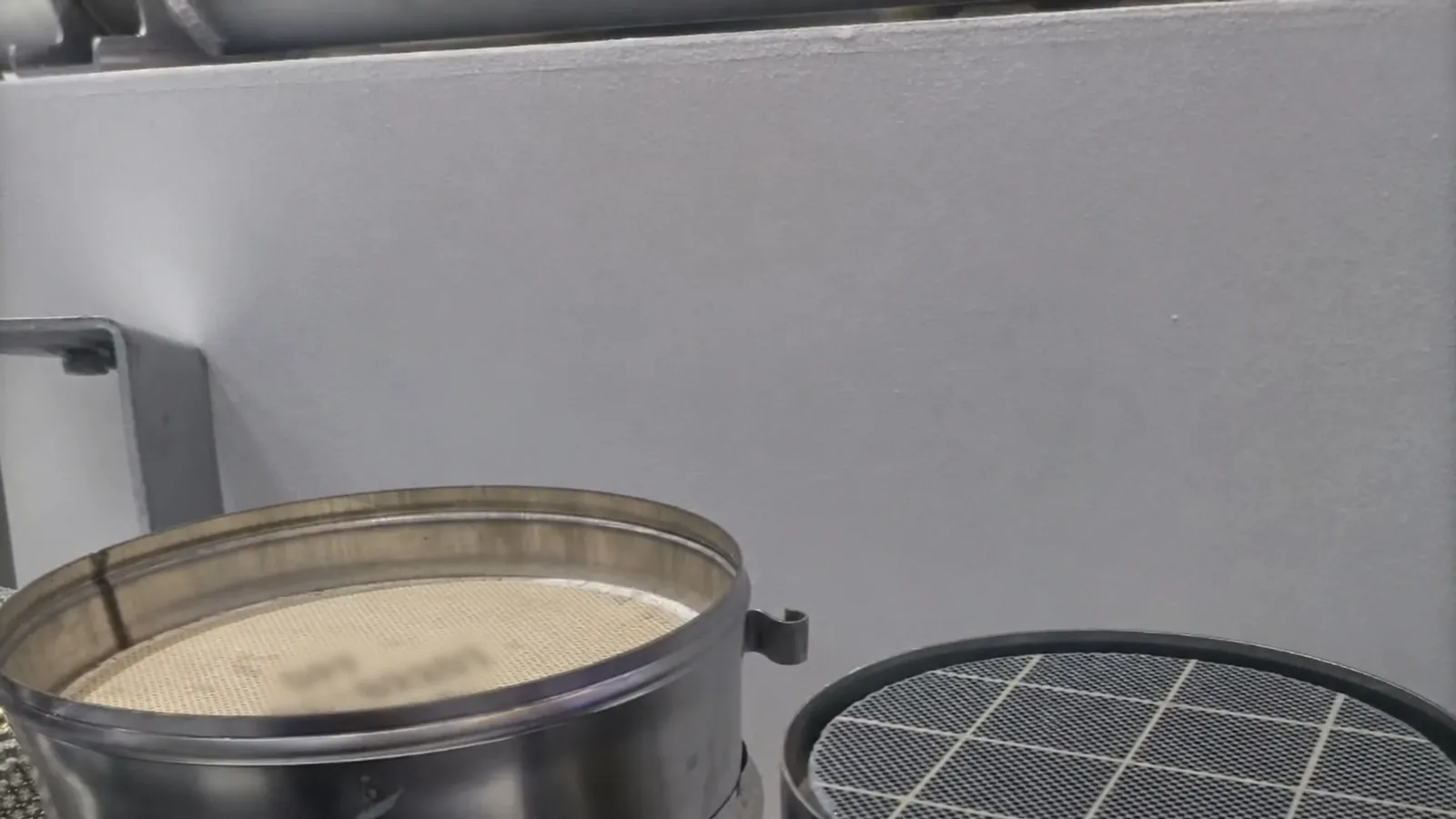
DPF warnings are system symptoms, not automatic proof that the filter needs replacement. Before a forced regeneration or parts order, a technician should establish whether the restriction estimate is credible, whether the filter contains combustible soot or non-combustible ash, and whether engine or sensor faults are still active.
The US EPA's DPF maintenance bulletin explains the central distinction: regeneration burns collected particulate matter and leaves ash, while accumulated ash requires periodic physical cleaning. Vehicle-specific limits and procedures still come from the engine or vehicle manufacturer.
What Regeneration Can and Cannot Remove
Soot is combustible carbonaceous material. Depending on the system, it can be oxidized during passive, active, or service-initiated regeneration when the manufacturer's enabling conditions are met.
Ash is non-combustible residue associated with lubricant and fuel additives. Regeneration does not remove it. Excess ash is addressed through an approved off-vehicle cleaning process or filter replacement, depending on the filter condition and OEM guidance.
Physical damage such as a cracked, melted, shifted, or contaminated substrate cannot be corrected by repeating regeneration. The housing, substrate, seals, and mating surfaces need inspection before reuse.
Diagnostic Decision Path
1. Preserve the evidence
Record active, pending, and history codes, freeze-frame data, warning-lamp state, reported soot or ash values, differential pressure, temperatures, and regeneration history before clearing anything. A generic code description is not enough; use the OEM service information for the exact ECU and software.
2. Check whether sensor data is plausible
Inspect differential-pressure hoses for blockage, leakage, moisture, heat damage, or incorrect routing. Compare pressure and temperature readings with OEM checks at key-on, engine-off and under the prescribed operating condition. A biased sensor or restricted hose can make a sound filter appear blocked.
3. Check regeneration prerequisites
OEM systems may inhibit regeneration because of active engine faults, low fluid levels, unsafe temperatures, unsuitable vehicle state, or other protection conditions. Resolve the reason for inhibition before repeatedly commanding regeneration.
4. Separate soot loading from ash loading
Review the OEM's calculated soot and ash values, service history, oil consumption, duty cycle, and previous cleaning records. Soot can be oxidized; ash cannot. A filter that quickly restricts again after service may indicate an unresolved engine, dosing, sensor, or maintenance problem.
5. Inspect for contamination and damage
Look for evidence of oil, coolant, excessive fuel, thermal damage, loose substrate, deformed housing, or failed joints. If the OEM procedure requires removal and inspection, do not substitute an on-vehicle regeneration attempt.
Forced Regeneration Safety Gate
Only perform stationary or service regeneration with the approved diagnostic procedure, trained personnel, ventilation, fire precautions, and the clearances specified by the manufacturer. Exhaust components and nearby surfaces can reach hazardous temperatures.
Stop and follow OEM instructions when:
- the diagnostic tool reports that regeneration is inhibited;
- the estimated loading is outside the permitted regeneration range;
- temperature or differential-pressure signals are implausible;
- fuel, oil, or coolant contamination is suspected;
- the substrate or housing may be damaged;
- the root cause of repeated failed regeneration is still active.
Regenerate, Clean, or Replace?
| Verified condition | Next action |
|---|---|
| Soot loading within the OEM service-regeneration range and all prerequisites met | Follow the OEM regeneration procedure and monitor the specified data |
| Ash loading or backpressure beyond the in-service limit, substrate intact | Use an approved off-vehicle cleaning process and verify post-cleaning results |
| Sensor or hose fault makes restriction data unreliable | Repair the measurement fault, then reassess the filter |
| Oil, coolant, or fuel contamination | Correct the engine-side cause and follow the filter manufacturer's disposition guidance |
| Cracked, melted, loose, or otherwise non-serviceable substrate | Replace with the correctly specified assembly |
Evidence to Request After Cleaning
- filter identity and direction of flow;
- pre-clean inspection result;
- cleaning method approved for the substrate;
- measured pre- and post-clean restriction or flow result;
- final visual inspection and damage disposition;
- cleaning date and traceability record.
Avoid claims such as "restored to new" unless the result is defined and measured against the filter manufacturer's limit.
Preventing Repeat Restriction
- correct active engine, EGR, turbocharger, injector, sensor, and fluid-consumption faults;
- use the specified lubricant and maintenance interval;
- investigate duty cycles that repeatedly interrupt regeneration;
- maintain pressure hoses and temperature sensors;
- record cleaning and replacement history by vehicle.
Guanda supplies aftertreatment components for heavy-duty vehicle applications. Confirm the OE reference, vehicle configuration, dimensions, sensors, and emissions-system calibration before selecting a replacement. View aftertreatment products.